-
Continue reading →: Doctrine, Theology, and Religion
It should be no surprise with the multiplicity of world religions and various denominations within each that even defining the word doctrine has proven to be problematic. Millard Erickson asserts, “Doctrines consist of genuine knowledge about God, and that religion involves the whole person: intellect, emotions, and will. This view…
-
Continue reading →: Instructing a Child’s Heart: Book Review
Tedd and Margy Tripp have identified the importance of instructing a child, not only to inform his or her mind, but also to impress God’s truth and wisdom upon the heart. Getting away from corrective behavior to the heart of the matter is vital in the formative discipline process presented…
-
Continue reading →: Choosing the Best Teaching Model
As Rick Yount asserts, “Analysis of a text is just the beginning point of lesson preparation, [because] effective teaching also asks: What do they need to remember? What do they need to understand? And how should they personally respond?”[1] From this premise, understanding how to synthesize and implement the…
-
Continue reading →: 75 Million Dollar Campaign and Cooperative Program
Leon McBeth illustrates, “After the turn of the century, prosperity and optimism prompted Southern Baptists to project larger programs… [and] in 1919, Southern Baptists launched their “Seventy-Five Million Campaign,” in an effort to raise $75 million for Baptist causes over a five-year period between 1919 – 1924.”[1] This was the…
-
Continue reading →: Sin and Christian Teaching: Journal Critique
Sin, in its very essence, is contradictory to the nature of God, creating separation in the intimacy between God and man, but is ultimately conquered by God’s grace, in the ultimate redemptive plan, through Jesus Christ. Upon this foundational truth, Octavio Esqueda asserts a clear understanding of the relationship between…
-
Continue reading →: Baptists and the Ecumenical Movement: Article Critique
John H. Y. Briggs, formally a professor of Baptist History at the University of Oxford, past chairman of the Baptist World Alliance (BWA), and former editor of The Baptist Quarterly[1] records the role and history of Baptists in the overall scope of the ecumenical movement. Briggs links the origins of…
-
Continue reading →: The Problem of Evil
As J. S. Feinberg explains, “The problem of evil is a problem of both theological and philosophical interest as well as a matter of religious import, [which] not only arises in Western religion and philosophy, but also in various other world religions.”[1] Millard Erickson asserts, “The most difficult challenge to…
-
Continue reading →: Post-Schism Effects on Northern and Southern Baptist Churches in 1845
Leon McBeth attributes the schism of 1845 as the main event which divided Baptists into Northern and Southern branches.”[1] The final two straws that led to this were the “Georgia Test Case” and the “Alabama Resolutions” and while 1814 marked the beginning of an era for Baptists, 1845 marked its…
-
Continue reading →: Preparing Students to Learn
According to Dietrich Bonhoeffer, “Christianity without discipleship is always Christianity without Christ.”[1] Discipleship is also a lifelong journey where spiritual formation allows the believer to be transformed into the image of Christ. Upon this premise, every leader and teacher should, as Mike Mitchell emphasizes, “Provide: interest, preparation, meaning, success,…
-
Continue reading →: Need for Ecclesiology and the Believers’ Church: Article Critique
Against the backdrop of America’s Industrial Revolution, Jason Duesing compares President Theodore Roosevelt’s call-to-action in conserving the nation’s natural resources[1] to, “The people of God needing to take action to preserve and protect the doctrine of the church.”[2] America was growing at a rapid rate, yet Roosevelt had the foresight…
Life-Giving Words of Hope & Encouragement
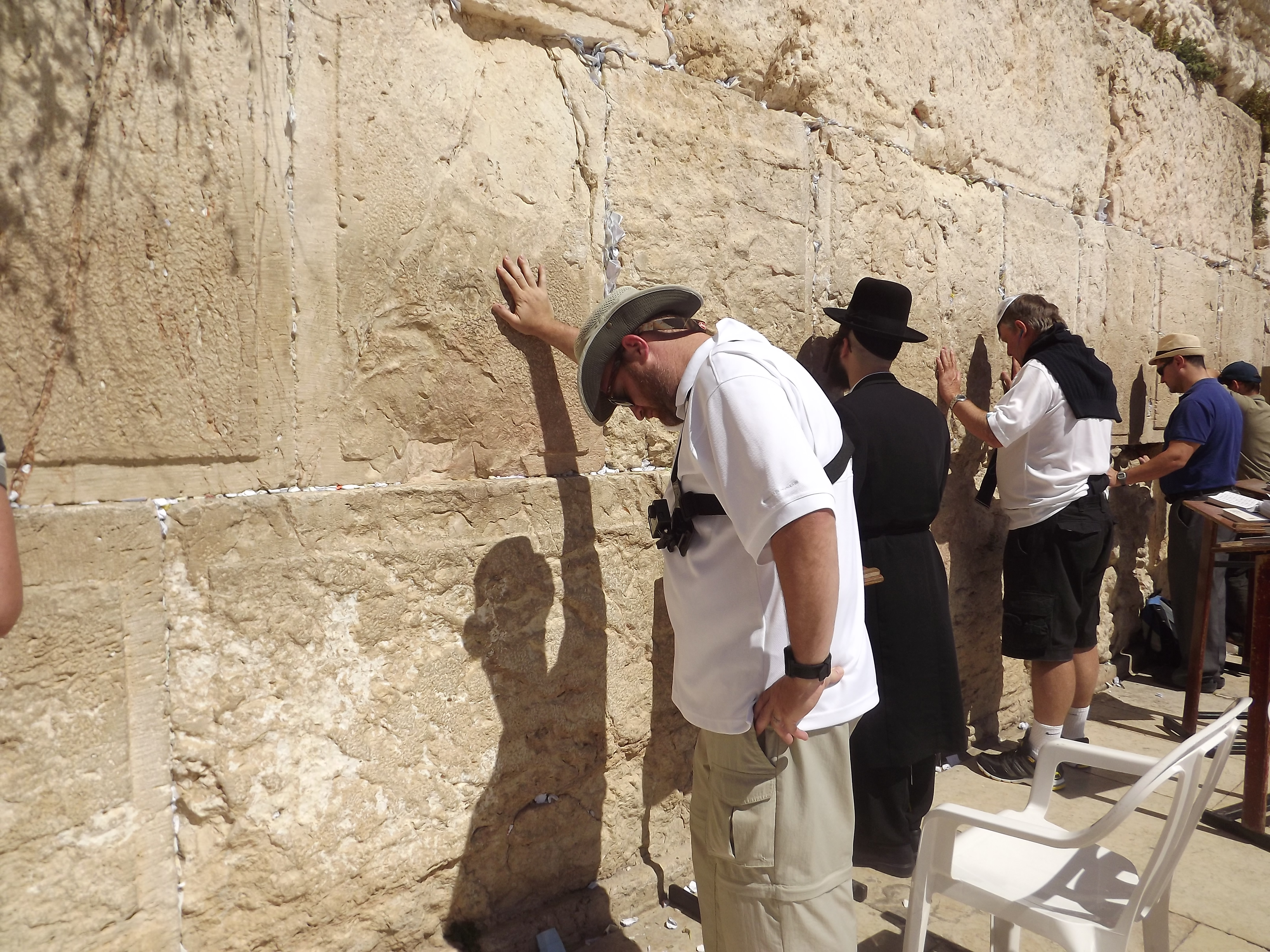
Hello,
I’m Chaplain Jeff Davis

With God, all things are possible. I write to offer hope and encouragement to anyone walking through the in-between seasons of life. My prayer is that as you read these words—and see your own story reflected in them—you’ll be strengthened, reminded you’re not alone, and drawn closer to the One who makes all things new.
Books:
120 Days of Hope – https://a.co/d/i66TtrZ,
When Mothers Pray – https://a.co/d/44fufb0,
Between Promise and Fulfillment – https://a.co/d/jinnSnK
The Beard Vow – https://a.co/d/jiQCn4f
The Unseen Realm in Plain Sight – https://a.co/d/fp34UOa
From Rooster to the Rock – https://a.co/d/flZ4LnX
Called By A New Name – https://a.co/d/0JiKFnw
Psalms For the Hard Seasons – https://a.co/d/76SZEkY
A Map Through the Night – https://a.co/d/d8U2cA4
Comfortable Captivity – https://a.co/d/0j8ByKJa
Let’s connect
Subscribe Here
Follow Me As I Follow Christ!

 Life-Giving Words of Hope & Encouragement