-
Continue reading →: An Exegesis on Psalm 137:1-9
Calling for God to bash the heads of young children against the rocks makes Psalm 137 one of the most troubling chapters in the Psalter. However, the bloodthirsty hatred found within this petition, invoking the wrath of God, and hurling curses towards one’s enemies is what imprecatory psalms are…
-
Continue reading →: Finding the Messiah in the Psalms
ABSTRACT & PURPOSE OF BIBLE STUDY Bible Study Class: How to find the Messiah in the Psalms. Summary Statement: All psalms have a relationship to the person and/or work of Christ, not just the traditional Messianic psalms. Goal: This study’s goal is not to uncover Christ in every verse, but…
-
Continue reading →: Spiritual Warfare
Jerry Rankin brings to light the enemy’s intent on rendering every person ineffective in one’s resolve to live for the Lord and ultimately bringing glory to the His name. While some of the examples of the missionary exploits presented may seem sensational to a Westerner’s mind, this writer believes Rankin…
-
Continue reading →: Ever Wonder How the Bible & Canon of Scripture Came to be?
William Klein et al. demonstrate, “The word ‘canon’ comes from the Greek kanōn, meaning ‘list,’ ‘rule,’ or ‘standard [and] the canon of Scripture refers to the collection of biblical books that Christians accept as uniquely authoritative.”[1] It is important to note, the canon, as it exists today, developed over time…
-
Continue reading →: Psalms of Lament
Fifty or one-third of the Psalms are classified as laments. Gary Yates further explains, “Laments are times when the psalmist prays to God in times of trouble, distress, sadness, and in life-threatening situations.”[1] Walter Brueggemann classifies laments as psalms of disorientation as the relationship between the psalmist and God is…
-
Continue reading →: Use of Imprecatory Psalms in Prayer Today
The use of Imprecatory Psalms, as a model for prayer, requires proper context. As John Day explains, “These psalms express the desire of God’s vengeance to fall on His [and His people’s] enemies and include the use of actual curses, or imprecations.”[1] At first glance, these psalms seem to stand…
-
Continue reading →: Art & Science of Biblical Interpretation – Hermeneutics & Challenges
Leo Percer explains, “Hermeneutics is the art and science of understanding Scripture, [which then helps] provide historical and literary background, allowing for modern-day understanding and application.”[1] As believers, it is vital to be able to interpret God’s Word, so the original author’s intended purpose is revealed. Through this process, the…
-
Continue reading →: An Apologetic Approach to Postmodernism
INTRODUCTION This paper will demonstrate how postmodernism is a self-contradicting illusion of spiritual apathy, which attempts to eclipse the fundamental truth claims of God and Christianity, by claiming all roads lead to God and everyone’s version of truth is acceptable. By contrasting postmodernism’s attempts to erode religious certainty, in the…
-
Continue reading →: Power and Value of Prayer
There is no denying prayer is arguably the most important task of the spiritual leader and Colossians 4:2 only serves as evidence that prayer and thanksgiving cannot be dissociated from one another in the Christian life or for the spiritual leader. F.F. Bruce further demonstrates how, “The remembrance of former…
-
Continue reading →: Jesus and the Samaritan Woman Encounter
An analysis of the story of Jesus and the Samaritan woman at the well reveals Jesus’s Messiahship, it unveils His primary mission and purpose, and it also provides fundamental truths about worship, salvation, and the gift of eternal life, all of which are found only in and through Jesus Christ.…
Life-Giving Words of Hope & Encouragement
Hello,
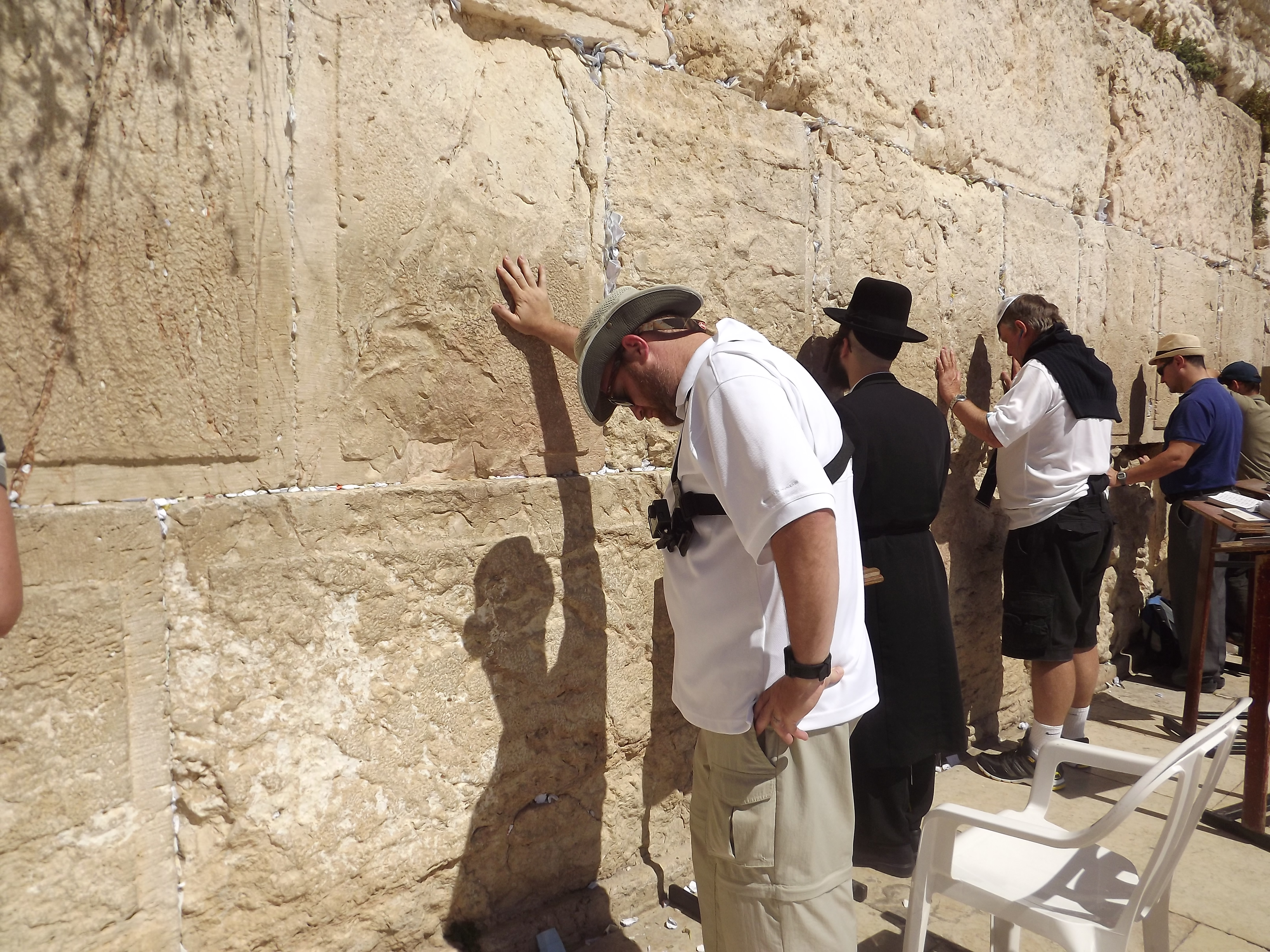
I’m Chaplain Jeff Davis

With God, all things are possible. I write to offer hope and encouragement to anyone walking through the in-between seasons of life. My prayer is that as you read these words—and see your own story reflected in them—you’ll be strengthened, reminded you’re not alone, and drawn closer to the One who makes all things new.
Books:
120 Days of Hope – https://a.co/d/i66TtrZ,
When Mothers Pray – https://a.co/d/44fufb0,
Between Promise and Fulfillment – https://a.co/d/jinnSnK
The Beard Vow – https://a.co/d/jiQCn4f
The Unseen Realm in Plain Sight – https://a.co/d/fp34UOa
From Rooster to the Rock – https://a.co/d/flZ4LnX
Called By A New Name – https://a.co/d/0JiKFnw
Psalms For the Hard Seasons – https://a.co/d/76SZEkY
A Map Through the Night – https://a.co/d/d8U2cA4
Comfortable Captivity – https://a.co/d/0j8ByKJa
Let’s connect
Subscribe Here
Follow Me As I Follow Christ!
 Life-Giving Words of Hope & Encouragement