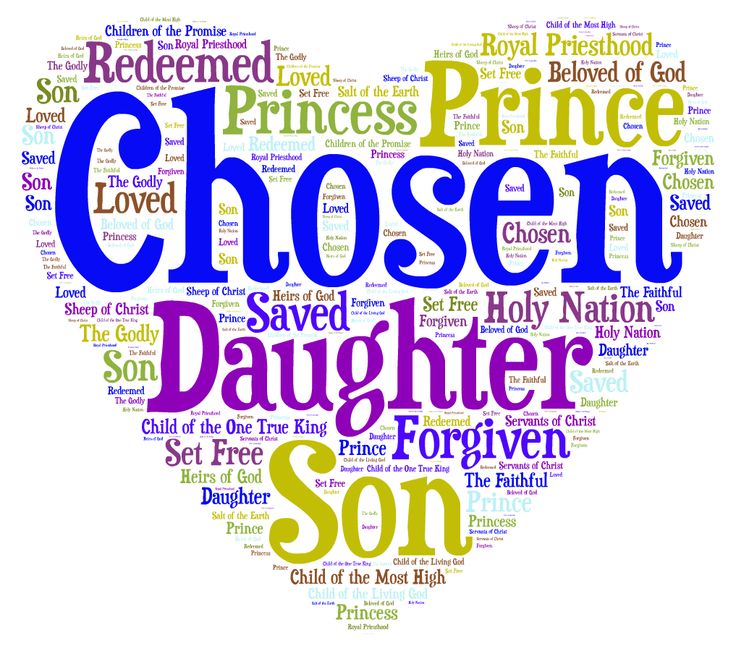
When I think about the moments in Scripture where Jesus called someone son or daughter, my heart can’t help but pause. There’s something sacred about those words. They aren’t just titles of affection—they are declarations of identity. They reach beyond the surface and touch the soul. Whenever Jesus said son or daughter, He wasn’t just addressing a person; He was restoring their worth. He was reminding them—and all of us—that we belong.
I’ve always been moved by how personal Jesus was. He didn’t just perform miracles; He connected deeply. In a crowd, He could see the one person who felt unseen. In a room filled with critics, He could lock eyes with the brokenhearted. And when He spoke, His words brought healing not only to bodies but to souls. When Jesus called someone son or daughter, He was saying, You are mine. You are seen. You are loved. You are family.
Daughter, Your Faith Has Made You Whole (Mark 5:25–34)
One of the most touching examples is the woman with the issue of blood. For twelve years, she suffered silently. Isolated. Rejected. Unclean. She had exhausted her resources and her hope—until she heard about Jesus.
Pushing through the crowd, she dared to believe that just one touch of His garment would be enough. And it was. Immediately, she was healed. But Jesus didn’t stop there. He turned and searched for her, not because He didn’t know who touched Him, but because He wanted her to know that He saw her.
When she came trembling before Him, He said, “Daughter, your faith has made you well; go in peace and be healed of your disease.”
That one word—Daughter—reversed twelve years of shame. It reinstated her place in the family of faith. Jesus didn’t just heal her body; He restored her identity. She wasn’t “the woman with the issue” anymore—she was a daughter of the Most High.
Son, Your Sins Are Forgiven (Mark 2:1–12)
In another powerful encounter, a group of friends lowered a paralyzed man through a roof just to get him to Jesus. The crowd was thick, the space was crowded, but faith made a way. Jesus looked up, saw their determination, and said something completely unexpected: “Son, your sins are forgiven.”
The religious leaders were scandalized—Who does He think He is? they thought. But Jesus wasn’t merely healing a body; He was addressing the deeper paralysis of the heart.
By calling him son, Jesus wasn’t just offering forgiveness; He was affirming belonging. Imagine the impact of that word on a man who had likely spent years feeling useless, overlooked, or forgotten. In one sentence, Jesus restored his dignity and declared that he was part of God’s family.
Then, to prove His authority, Jesus told the man to rise, pick up his mat, and walk—and he did. Forgiveness and healing met in the same moment, both rooted in identity.
Daughter of Abraham (Luke 13:10–17)
There’s another woman in Scripture who had been bent over for eighteen years. She couldn’t look up. Her physical condition mirrored her spiritual posture—heavy, weighed down, pressed by life.
When Jesus saw her, He called her forward and said, “Woman, you are set free from your infirmity.” Then He laid His hands on her, and she stood up straight for the first time in nearly two decades.
But again, Jesus didn’t stop there. When the synagogue leader criticized Him for healing on the Sabbath, Jesus declared, “Should not this woman, a daughter of Abraham, whom Satan has kept bound for eighteen long years, be set free on the Sabbath day?”
By calling her a daughter of Abraham, Jesus affirmed her value and faith lineage. He reminded everyone that she was not defined by her affliction but by her covenant relationship with God. She was a daughter of promise—heir to the blessings of faith.
Son, Go and Work in My Vineyard (Matthew 21:28–31)
In one of Jesus’ parables, He tells the story of a father with two sons. The father asked the first son to work in the vineyard, but he refused. Later, he changed his mind and went. The second son agreed to go but never did.
Through this parable, Jesus revealed that true sonship isn’t about appearances or empty promises—it’s about obedience. When He used the word son, He emphasized relationship over performance. God isn’t looking for perfect children; He’s looking for willing hearts.
It’s a reminder that no matter how far we’ve strayed, there’s always an invitation to return to the vineyard—to purpose, to grace, to the Father’s heart.
Son, Be Encouraged (Luke 15:11–32)
Perhaps the most famous story of all is the parable of the prodigal son. After squandering his inheritance, this young man found himself at the lowest point of life—hungry, humiliated, and broken. He rehearsed a speech, planning to ask his father to take him back as a hired servant.
But the father didn’t even let him finish. He ran to him, embraced him, and restored him as a son. “This son of mine was dead and is alive again; he was lost and is found.”
This story reveals the heart of God—the Father who waits with open arms, ready to call us son or daughter again. No matter what we’ve done, no matter how far we’ve gone, our identity in Him remains. We may walk away from God, but He never stops calling us His own.
Son of Abraham (Luke 19:1–10)
Then there’s Zacchaeus—the wealthy tax collector who climbed a sycamore tree just to catch a glimpse of Jesus. He was despised by his community, labeled as corrupt, and rejected as a sinner. Yet, when Jesus reached the spot, He looked up and said, “Zacchaeus, come down immediately. I must stay at your house today.”
Those words must have stunned everyone listening. Jesus chose to fellowship with a man everyone else avoided. And by the end of that encounter, Zacchaeus’ life was transformed. He repented, offered restitution, and opened his heart to grace.
Then Jesus said something extraordinary: “Today salvation has come to this house, because this man, too, is a son of Abraham.”
What a declaration! Jesus publicly restored Zacchaeus’ identity—not as a thief, not as an outcast, but as a rightful son of the covenant. In that one sentence, He tore down walls of judgment and replaced them with belonging. Jesus didn’t just visit Zacchaeus’ house; He made His home in Zacchaeus’ heart.
You Are His Child Too
Every time Jesus called someone son or daughter, He shattered barriers—between the unclean and the holy, the sinner and the Savior, the lost and the found. His words are still echoing today. When you hear them, they bring healing to the heart and hope to the soul.
You may have been labeled by your past, by others, or even by your own shame—but Jesus calls you child. And when He names you, everything changes.
You are not a mistake. You are not forgotten. You are not disqualified. You are loved by the One who gave His life to call you His own.
Prayer:
Lord Jesus, thank You for calling me Your child. When the world tries to define me by my failures, remind me that You have already defined me by Your love. Thank You for seeing me when I felt invisible, for claiming me when I felt unworthy, and for restoring me when I felt broken. Help me to walk in the truth of who I am—a beloved son or daughter of the King. Let my life reflect Your heart so that others may hear You call their name too. In Your precious name, Amen.

 Life-Giving Words of Hope & Encouragement
Leave a comment