Have you ever felt trapped—not by iron bars, but by fear, guilt, bitterness, or shame?
Though your feet may not be shackled to a Roman prison floor, maybe your heart is. Maybe your thoughts are imprisoned by insecurity, your relationships chained by unforgiveness, or your dreams confined by past mistakes.
That’s why the Book of Ephesians is so powerful. It wasn’t written in comfort or convenience. The Apostle Paul penned it while locked inside a Roman cell—a man confined by walls but overflowing with freedom. And that’s what makes this letter so compelling: Paul was physically imprisoned, yet spiritually liberated. Meanwhile, many of us live in free societies but walk around with our souls in chains.
Ephesians is more than theology. It’s a declaration of who we are in Christ, a call to unity in a divided world, and a spiritual strategy for breaking the invisible chains that still bind so many believers today.
A Call to Unity in a Fractured World
In Ephesians 4:1–6, Paul pleads, “Walk worthy of the calling you have received… with all humility and gentleness… making every effort to keep the unity of the Spirit through the bond of peace.”
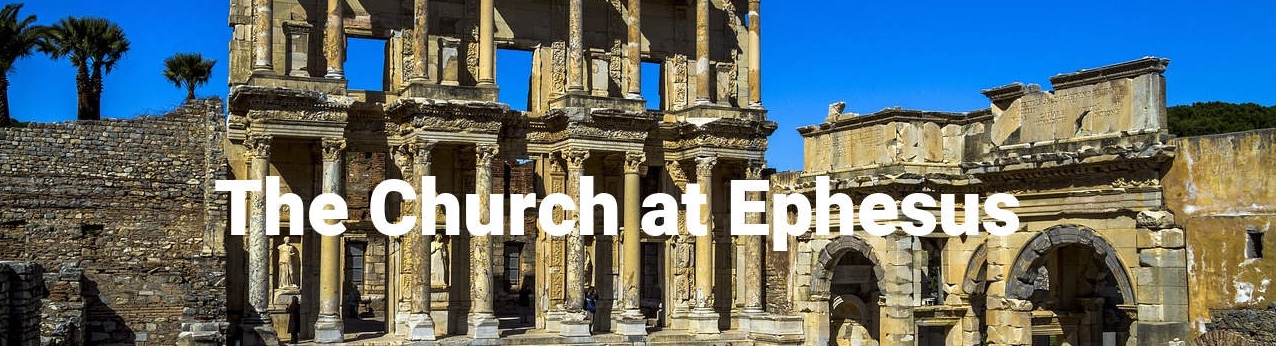
Keep in mind—Paul is writing this in a dark, damp prison cell to a church in a city filled with spiritual confusion, ethnic tension, and social chaos. Ephesus was home to the temple of Artemis, one of the largest pagan temples in the ancient world. And the church Paul writes to? A mix of Jews and Gentiles—two groups with a long history of division.
Yet, Paul boldly proclaims that the gospel tears down dividing walls and builds something new: a family, a body, a church. That call is just as relevant today. We live in a world fractured by politics, race, theology, and pride. But unity is still the mark of Christ’s Church—not because we all look the same, vote the same, or worship the same way, but because we are bound by the same Spirit.
Unity isn’t uniformity. It’s choosing peace over preference and purpose over pride.
Dressed for Battle: Living Aware of Spiritual Realities
In Ephesians 6:10–18, Paul ends his letter with one of the most vivid and important images in all of Scripture: the armor of God. Why? Because though Paul was chained to a Roman guard, he knew the real battle wasn’t physical—it was spiritual.
“We wrestle not against flesh and blood…”
We forget that sometimes. We think our enemy is that coworker, that politician, that family member who hurt us. But Paul reminds us: the true enemy is unseen. It’s the voice of fear, the lie of shame, the whisper of compromise.
You may not see a battlefield—but make no mistake, you’re in one.
And that’s why Paul urges us to armor up—not with fear or defense mechanisms, but with truth, righteousness, peace, faith, salvation, and the Word of God. The armor isn’t ornamental—it’s essential. This is how we survive. This is how we stand.
Who Are You, Really? Identity in Christ
Ephesians 2:8–10 may be some of the most liberating words ever written: “For by grace you have been saved through faith… it is the gift of God, not a result of works… for we are His workmanship…”
In a world obsessed with comparison, followers, image, and performance, Paul’s message cuts through the noise: You are not what you’ve done. You are what Christ has done for you.
You are God’s masterpiece—created on purpose, for a purpose.
We all have voices that try to rename us: “Failure,” “Unworthy,” “Too far gone.” But Paul gives us a new name: Beloved. Redeemed. Seated with Christ in heavenly places.
You don’t have to strive to be accepted—you already are.
Living in the Light: Holiness in the Everyday
Paul doesn’t just give us identity—he gives us instruction. In Ephesians 4:17–5:21, he calls believers to live differently than the culture around them. To put off the old self and put on the new. To walk in love. To reject sexual immorality, bitterness, and greed. To forgive. To shine.
Holiness isn’t a burden—it’s the fruit of a transformed heart.
It’s not about looking religious—it’s about becoming radiant. When we live in the light, we become what the world desperately needs: a glimpse of Jesus.
Relationships That Reflect Christ
In Ephesians 5:22–6:9, Paul turns his attention to the most intimate areas of life: marriage, family, and work. While some of these passages reflect cultural norms of the time, the underlying truths are timeless: mutual respect, sacrificial love, and honor.
In a society that celebrates independence, Paul calls us back to interdependence—not control, but Christlikeness. Whether in your marriage, your parenting, or your career, the call is the same: Love like Jesus. Lead like Jesus. Forgive like Jesus.
Still Speaking Today
Ephesians may have been written two thousand years ago, but its relevance hasn’t dimmed one bit.
Paul wrote behind bars. Yet his words unlock freedom.
Freedom from guilt.
Freedom from comparison.
Freedom from division.
Freedom from spiritual apathy.
Freedom from shame.
This letter challenges us not just to believe differently, but to live differently—to be the kind of Church the world desperately needs: unified, aware, grounded in identity, filled with light, and marked by love. Not because we’re perfect, but because grace has made us new.
Prayer:
Heavenly Father,
Thank You for the gift of Your Word and the living power of the Book of Ephesians. Even from a prison cell, You spoke freedom, identity, purpose, and hope. Help us to walk worthy of the calling we’ve received—to fight the real battles, to put on Your armor, to stand in who we are in Christ.
Unshackle us from the prisons we’ve created—of fear, guilt, bitterness, or compromise. Teach us to love deeply, forgive freely, live holy, and reflect Jesus in every relationship.
May Your Spirit remind us daily: we are chosen, equipped, and deeply loved. And nothing can imprison a heart that belongs to You.
In Jesus’ name, Amen.

 Life-Giving Words of Hope & Encouragement
Leave a comment