History is filled with events that rattle the very foundations of morality, justice, and faith. Among the most devastating is the Holocaust—one of humanity’s darkest hours, orchestrated by Adolf Hitler, whose birthday, ironically, is tomorrow. Reflecting on this date is not to commemorate a tyrant, but to remember the immense suffering inflicted and to renew our resolve to stand against evil in all its forms.
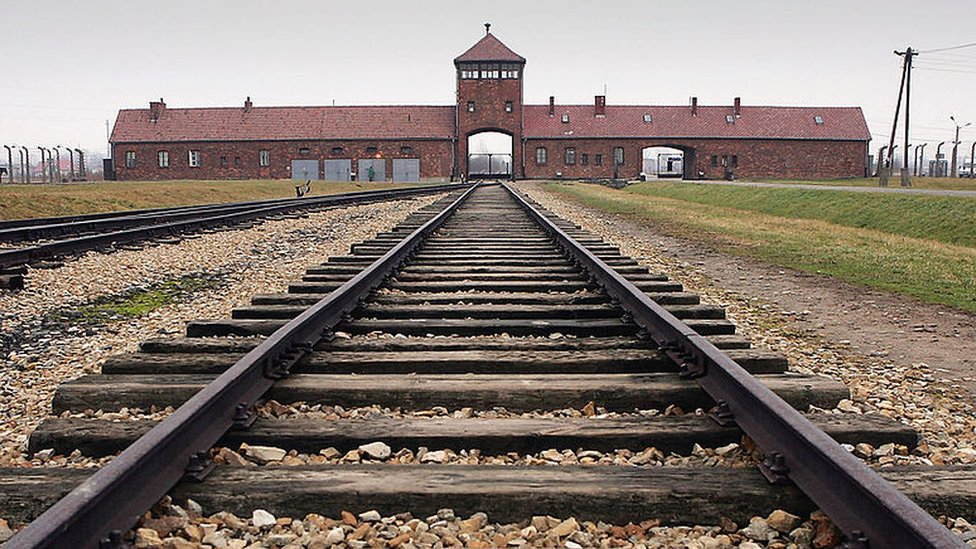
When I lived in Europe, I had the solemn opportunity to visit Auschwitz and Dachau. The silence there speaks volumes. It’s the silence of lives stolen, dreams crushed, and the haunting echo of inhumanity.
In Israel, I walked through the Holocaust Museum, a building shaped like a narrowing triangle—designed to make you feel what words cannot express. As you weave through its tightening corridors, the architecture itself begins to close in, pressing against your chest like the weight of history. With each step, you witness the desperate journey of Jews moved from one ghetto to another, clinging to fragments of hope. It felt as though the very walls were weeping, silently echoing the cries of those who once had nowhere left to run. These experiences carved a deep question in my heart, one many believers quietly ask: How could such immense evil fit into God’s plan?
Wrestling with the Big Question
This question—Why does a good God allow evil?—is not new. It has echoed through the centuries, from ancient philosophers to modern theologians, and from anguished cries in hospital rooms to whispered prayers at memorials. While we may never find a perfect answer, our faith offers us glimpses of understanding, anchored in both truth and hope.
1. The Power—and Peril—of Free Will
One of the most foundational principles in many faith traditions is the gift of free will. Love, kindness, and faithfulness have value because they are chosen, not forced. But with that freedom comes the potential for terrible choices.
Hitler’s actions—and those of the many who followed, enabled, or remained silent—are painful reminders of how deeply free will can be abused. Yet, even in the face of such evil, God’s sovereignty remains. He does not will evil, but He allows humans to choose their path. And in the freedom of that choice, the power of love, courage, and sacrifice is revealed more profoundly.
2. Suffering and Redemption: Hope After Horror
There is no way to justify the horrors of the Holocaust. But Scripture and history show us that even in the ashes of devastation, God can spark redemption. The Holocaust forced the world to reckon with the depths of human depravity, giving rise to international declarations of human rights, deeper theological reflection, and the determined cry of Never Again.
Out of immense loss came a renewed sense of global responsibility. The modern State of Israel emerged, not as a consolation prize, but as a testament to resilience, identity, and survival. These responses don’t erase the pain—but they speak of a God who brings beauty from ashes (Isaiah 61:3).
3. A Call to Active Faith
Great evil often becomes a crucible that refines faith. In the face of injustice, true faith doesn’t sit quietly. It rises, resists, and rebuilds. Believers around the world responded to atrocities by rededicating themselves to mercy, justice, and love.
The memory of such evil compels us to be the light in the darkness. It challenges us to ensure our communities reflect heaven’s values—dignity, compassion, and unity. Faith, when tested, can either crumble or become unshakable. It’s in the fire that gold is purified.
4. Embracing Mystery with Humility
There are no tidy answers to why God allows evil on such a scale. The Book of Job gives voice to the suffering of the innocent without offering a simplistic resolution. Instead, God reminds Job—and us—that His wisdom and perspective are far beyond ours.
This isn’t a call to blind acceptance, but to humble trust. There are mysteries we may never unravel on this side of eternity, but even when we cannot trace God’s hand, we can trust His heart.
Honoring the Memory, Responding with Purpose
As we reflect on history, especially in light of tomorrow’s date, may we do so with reverence and responsibility. The evil that was unleashed under Hitler’s regime must never be downplayed or excused. But neither should it overshadow the courage of those who resisted, the resilience of those who survived, and the hope that still rises in the hearts of the faithful.
In remembering the past, we are called to shape the future. Let the weight of history drive us to deeper compassion. Let it fuel our commitment to justice. Let it remind us that no matter how dark the night, the light of God still shines—and it shines through us.
If you’ve ever wrestled with the question of why God allows evil, know this: you’re not alone. And while we may not have all the answers, we cling to the truth that God is not absent in suffering. He is present, working, redeeming, and bringing light even into the deepest shadows.
May that truth encourage your heart today.
Stay hopeful. Stay faithful. And may you carry light wherever you go. I hope this answers any questions you might have, and I pray you have a blessed day!

 Life-Giving Words of Hope & Encouragement
Leave a comment