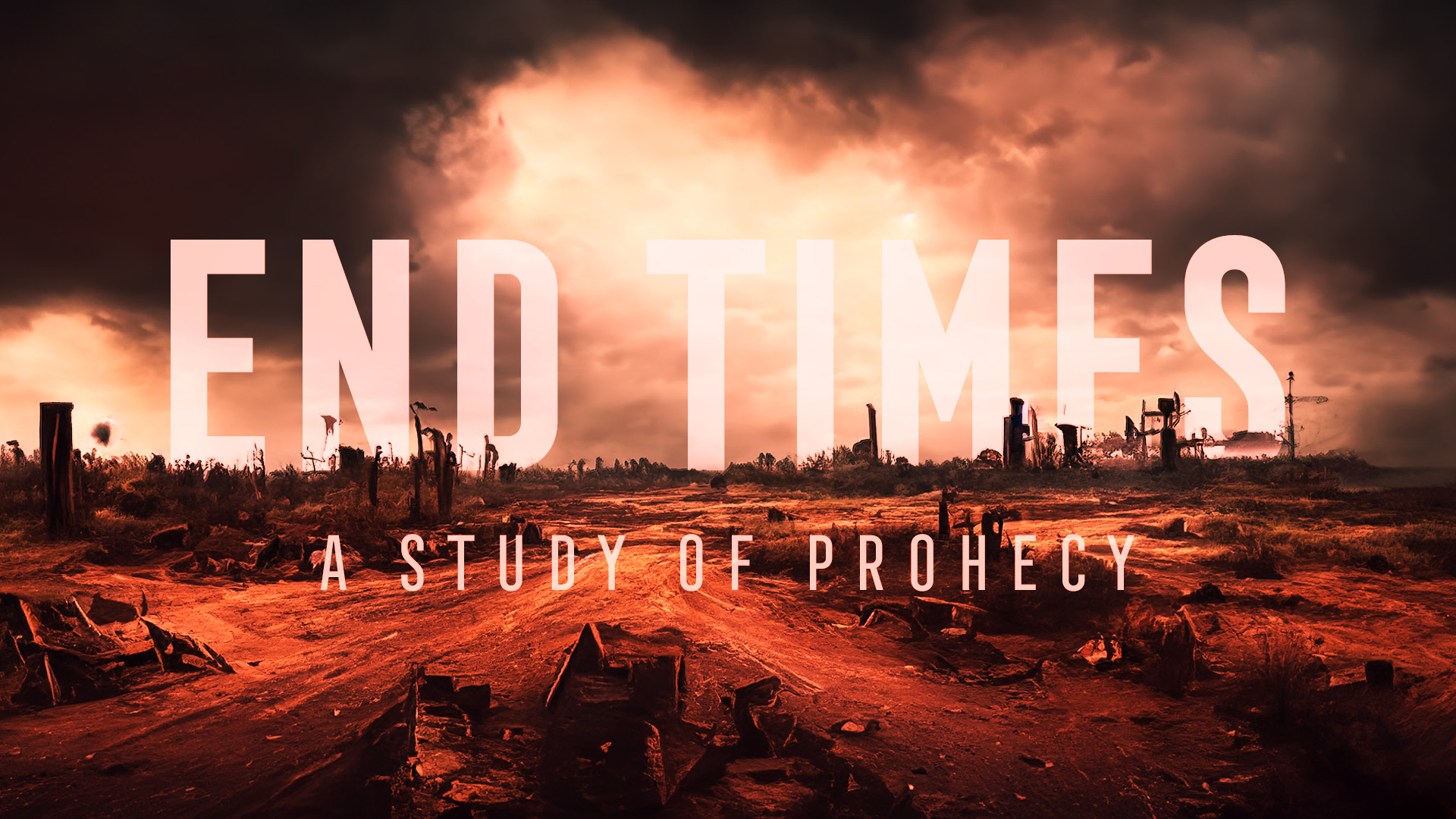
For centuries, religious texts have foretold dramatic signs that will usher in the end of days—a time when the world will be shaken by unprecedented events. These prophecies, deeply woven into the fabric of the Abrahamic faiths, have captivated believers and skeptics alike, igniting fierce debates, speculation, and a sense of urgency. Among the most anticipated and controversial signs are the rebuilding of the Third Temple in Jerusalem, the emergence of the Red Heifer, and the rise of a charismatic deceiver—the Antichrist—who will lead many astray. Are we witnessing the unfolding of these ancient warnings?
One of the most pivotal end-time prophecies revolves around the Third Temple in Jerusalem. In Jewish tradition, the First Temple, built by King Solomon, was destroyed by the Babylonians in 586 BCE. The Second Temple, painstakingly restored after the Babylonian exile, stood for centuries until the Romans reduced it to rubble in 70 CE. Now, prophecy points to a Third Temple—a sacred structure that, according to ancient texts, must rise again before the arrival of the Messiah.
The Book of Ezekiel describes this prophesied Temple in stunning detail, while the New Testament links its construction to the Second Coming of Christ. Yet, the Temple Mount remains one of the most hotly contested religious sites in the world, occupied by the Dome of the Rock and the Al-Aqsa Mosque. The mere suggestion of rebuilding the Temple sparks political and religious tensions. And yet, some groups in Israel actively prepare for this monumental event, gathering priestly garments, sacred vessels, and even architectural plans, believing they are laying the groundwork for prophecy to be fulfilled.
Alongside the Temple prophecy stands another ancient mystery: the Red Heifer. According to the Torah (Numbers 19:2), only the ashes of a perfect, unblemished red heifer can purify the people of Israel and make way for the restoration of Temple worship. For over two millennia, no such heifer has been found. But in recent years, reports have surfaced of red heifers born with the exact characteristics described in Scripture, sending shockwaves through prophetic circles. Could this be the sign that the long-awaited moment is near?
For Christians, the Red Heifer is also a powerful symbol, foreshadowing Jesus Christ’s ultimate sacrifice for purification and redemption. Its reappearance in modern times fuels speculation that the final chapters of history are being written before our eyes.
But no end-time discussion is complete without mentioning the rise of the Antichrist—a figure shrouded in deception and power. Prophecy warns that he will come as a charismatic leader, offering false hope and peace before revealing his true, malevolent nature. He is described in the Book of Revelation as the Beast, whose reign will bring unparalleled suffering and persecution. His influence will stretch across nations, uniting the world in rebellion against God.
The arrival of the Antichrist is foretold alongside other ominous signs: wars, famines, natural disasters, and a great spiritual falling away. In an era of global instability, some wonder—are we inching closer to the fulfillment of these warnings?
The Book of Revelation paints a picture of cosmic upheaval: earthquakes splitting the earth, the sun turning black, the moon bleeding red, and stars plummeting from the heavens. These are not mere poetic symbols; they are described as harbingers of divine judgment, signaling the final battle between good and evil.
Among these prophecies stands a chilling warning—the Mark of the Beast. This mark, often associated with the number 666, is said to be placed on the right hand or forehead of those who pledge allegiance to the Antichrist. Revelation warns that no one will be able to buy or sell without it. In a world racing toward digital currency, artificial intelligence, and biometric tracking, many speculate: Could modern technology play a role in this prophecy? Are we moving toward an age where control over commerce and identity fulfills this apocalyptic vision?
At the heart of these prophecies lies the ultimate hope of the faithful: the coming of the Messiah. For Jews, He is the long-awaited King who will restore Israel and bring peace to the world. For Christians, His return marks the final triumph over darkness, the resurrection of the dead, and the establishment of God’s eternal kingdom.
Whether one sees these prophecies as literal roadmaps to the future or powerful spiritual metaphors, their impact is undeniable. The signs are being watched, the debates intensify, and the sense of anticipation grows. As we move deeper into the 21st century, the question remains: Are we standing on the edge of history’s final chapter, and do we know where we’ll spend eternity? I hope this has been enlightening, and I pray you have a blessed day!

 Life-Giving Words of Hope & Encouragement
Leave a comment