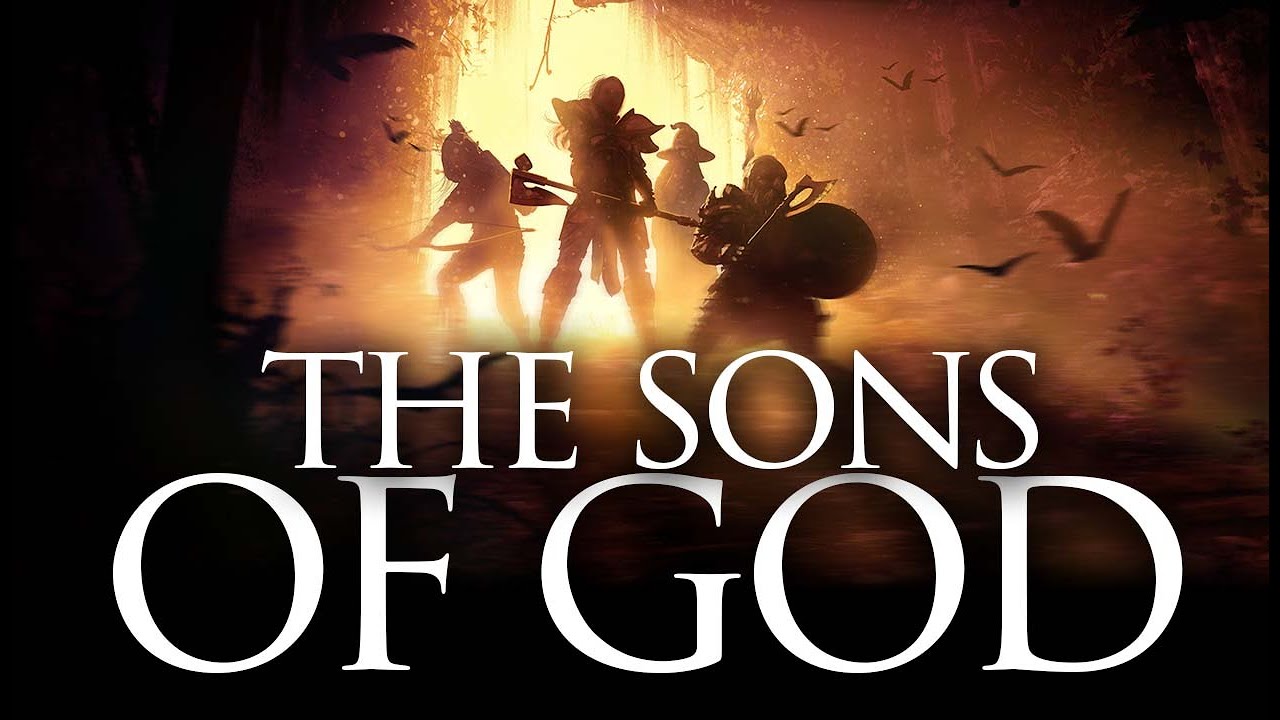
The Bible is filled with fascinating stories weaving together history, faith, and divine purpose. Among these are the mysterious accounts of the “sons of God” and the Nephilim—beings that challenge our understanding of God’s creation and the spiritual battle that has raged since the beginning of time. These narratives provide profound insight into God’s sovereignty and His plan for His people.
The story begins in Genesis 6:1-4, where we read about the “sons of God” who took human women as wives, resulting in the birth of the Nephilim:
“When human beings began to increase in number on the earth and daughters were born to them, the sons of God saw that the daughters of humans were beautiful, and they married any of them they chose. Then the Lord said, ‘My Spirit will not contend with humans forever, for they are mortal; their days will be a hundred and twenty years.’ The Nephilim were on the earth in those days—and also afterward—when the sons of God went to the daughters of humans and had children by them. They were the heroes of old, men of renown.”
The term “sons of God” is often interpreted as referring to angelic beings who rebelled against God, stepping out of their assigned roles and engaging in forbidden relationships with humans. This union produced the Nephilim, a race of giants described as mighty and renowned but ultimately corrupt and violent.
After the Flood, humanity once again rebelled against God by attempting to build the Tower of Babel (Genesis 11:1-9). The tower was a symbol of human pride and defiance, as people sought to “make a name for themselves” and avoid being scattered across the earth. In response, God confused their language and dispersed them into different nations.
Deuteronomy 32:8-9 provides further insight into this event, indicating that God assigned the “sons of God” dominion over the nations:
“When the Most High gave the nations their inheritance, when he divided all mankind, he set up boundaries for the peoples according to the number of the sons of God. For the Lord’s portion is his people, Jacob his allotted inheritance.”
This passage suggests that the rebellious “sons of God” were given authority over specific geographical regions. However, these spiritual beings abused their positions, leading the nations into idolatry and corruption. In contrast, God reserved Israel as His chosen people, through whom He would reveal His plan of redemption.
The post-Flood presence of giants, descendants of the Nephilim, is evident in later biblical accounts, particularly during the time of Moses and Joshua. Numbers 13:32-33 records the report of the spies sent to scout the land:
“The land we explored devours those living in it. All the people we saw there are of great size. We saw the Nephilim there (the descendants of Anak come from the Nephilim). We seemed like grasshoppers in our own eyes, and we looked the same to them.”
These giants were part of the reason God commanded Moses and Joshua to utterly destroy certain tribes and cities. The conquest of Canaan was not merely a territorial campaign but a spiritual battle to rid the land of the corruption associated with these beings.
God’s instructions to Moses and Joshua were clear: to annihilate the Anakim (giants) and other wicked nations occupying the Promised Land. Deuteronomy 2:10-11 mentions the Rephaim, another race of giants, while Joshua 11:21-22 highlights Joshua’s campaign to eradicate the Anakim:
“At that time Joshua went and destroyed the Anakites from the hill country: from Hebron, Debir and Anab, from all the hill country of Judah, and from all the hill country of Israel. Joshua totally destroyed them and their towns. No Anakites were left in Israelite territory; only in Gaza, Gath and Ashdod did any survive.”
One notable survivor of these giants was Goliath, whom David famously defeated (1 Samuel 17). The presence of Goliath and other giants in later periods suggests that while Moses and Joshua’s campaigns significantly reduced their numbers, remnants persisted.
The New Testament sheds further light on the spiritual forces at work behind the scenes. The apostle Paul frequently speaks of “powers,” “dominions,” and “authorities” in a spiritual context. In Ephesians 6:12, he writes:
“For our struggle is not against flesh and blood, but against the rulers, against the authorities, against the powers of this dark world and against the spiritual forces of evil in the heavenly realms.”
These “powers and dominions” can be understood as the same rebellious spiritual beings that were given authority over the nations at Babel. Paul’s writings emphasize that through Christ’s death and resurrection, these powers have been disarmed and defeated (Colossians 2:15). While they continue to exert influence, their ultimate authority has been broken, and their judgment is assured.
The story of the “sons of God,” the Nephilim, the Tower of Babel, and the giants underscores a larger spiritual reality. The rebellion of these beings represents a cosmic battle between good and evil, with humanity caught in the middle. God’s actions—from the Flood to the conquest of Canaan to Christ’s victory on the cross—demonstrate His commitment to protecting His creation and fulfilling His promises.
For believers, these accounts remind us of several key truths:
- God’s Sovereignty: Despite human and supernatural rebellion, God’s purposes prevail. He is faithful to His promises, as seen in His provision of the Promised Land to the Israelites.
- The Reality of Spiritual Warfare: The Bible reveals an unseen battle between forces of light and darkness. Ephesians 6:12 reminds us that our struggle is “not against flesh and blood, but against the rulers, against the authorities, against the powers of this dark world and against the spiritual forces of evil in the heavenly realms.”
- God’s Victory: Though the Nephilim, giants, and rebellious powers represented formidable opposition, they were no match for God’s power. Similarly, no challenge or enemy we face is greater than our God.
The accounts of the “sons of God,” the Nephilim, the Tower of Babel, and the giants in Scripture may raise many questions, but they also point us to profound truths about God’s character and His plans. These stories remind us that God is always at work, even in the midst of spiritual battles, to bring about His purposes.
As we face our own giants—whether literal or metaphorical—we can take courage from the knowledge that the same God who led Moses, Joshua, and David to victory is with us today. His power, faithfulness, and sovereignty remain unshaken, ensuring that His promises to His people will always come to pass. I hope this has answered any questions you’ve had, and I pray you have a blessed day!

 Life-Giving Words of Hope & Encouragement
Leave a comment