The story of Cain and Abel is one of the Bible’s most well-known and thought-provoking narratives, found in the book of Genesis. While it is often read simply as a tale of jealousy and murder, it also carries profound lessons about human nature, relationships, and the consequences of unresolved emotions. This ancient story is as relevant today as it was thousands of years ago, warning us of the dangers of unchecked pride, resentment, and comparison.
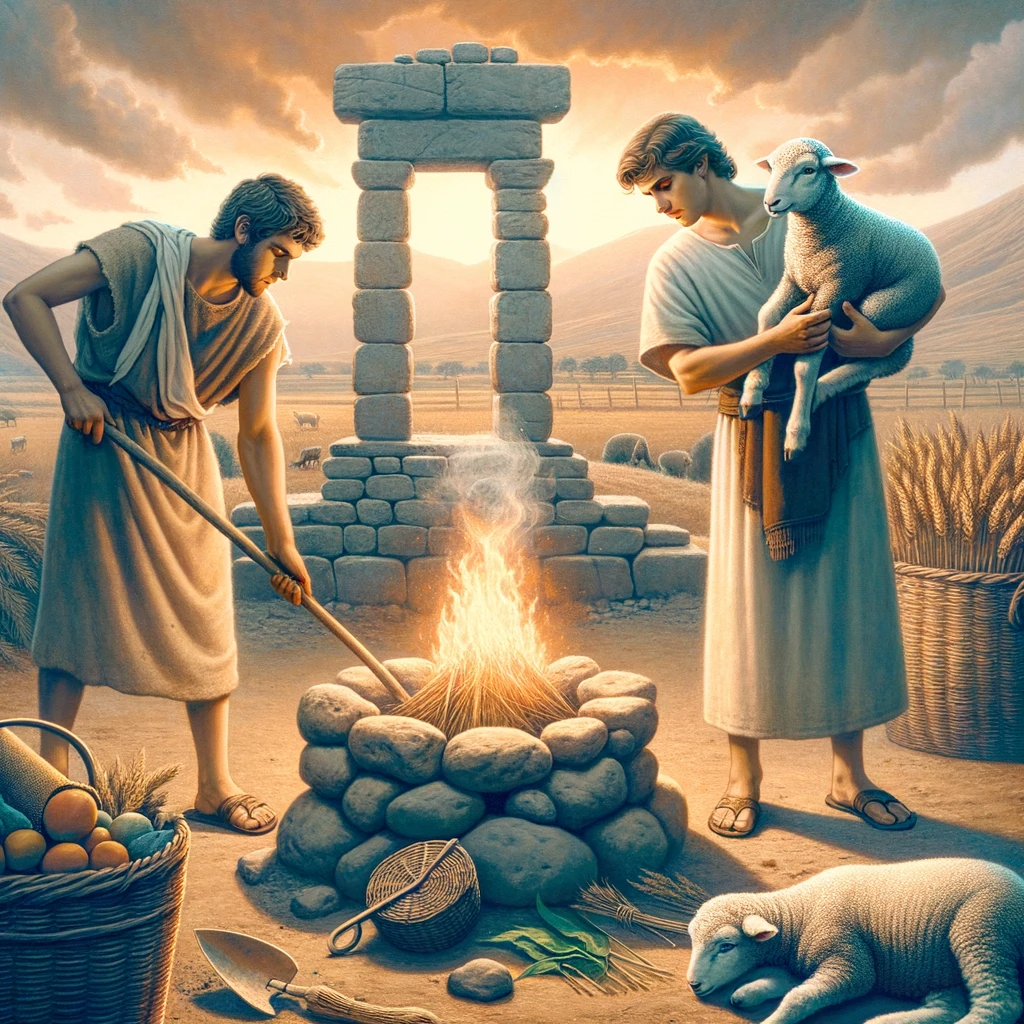
The story begins with the two brothers: Cain, a farmer who worked the soil, and Abel, a shepherd who tended to sheep. Both offered sacrifices to God—Cain presented the fruits of his harvest, while Abel offered a lamb from his flock. But while God accepted Abel’s offering, He rejected Cain’s.
The reason for this is not fully explained in the text, but the interpretation has been the subject of much reflection. Some scholars suggest that Abel’s offering was more sincere or of higher quality, representing his best, whereas Cain’s may have been less wholehearted. The key difference, however, may not lie in the material of the offerings but in the attitudes behind them. As the New Testament writer Hebrews 11:4 notes, “By faith Abel offered God a better sacrifice than Cain.” It’s not just about what was given, but how it was given—a reflection of the heart’s true intentions.
Cain’s response to God’s rejection is immediate and visceral—he becomes “very angry, and his face was downcast” (Genesis 4:5). God, in His mercy, speaks to Cain, warning him of the dangers of sin: “If you do what is right, will you not be accepted? But if you do not do what is right, sin is crouching at your door; it desires to have you, but you must rule over it” (Genesis 4:7).
Here, God offers Cain a chance for repentance and change. He acknowledges Cain’s feelings but encourages him to overcome them, to master the temptation to sin that lurks within. Unfortunately, Cain does not heed the warning. Instead of examining his heart and seeking reconciliation, he allows his bitterness to fester, and in a moment of rage, he invites Abel out into the field and kills him.
When God confronts Cain about Abel’s murder, Cain famously responds with the question, “Am I my brother’s keeper?” This response highlights the disconnect between Cain’s actions and his responsibilities as a human being, especially towards his own brother. Cain’s denial of his wrongdoing marks the final stage in his spiral of anger, defiance, and alienation from God.
The consequences for Cain are severe: he is cursed, forced to wander the earth, and separated from the community. This punishment illustrates the gravity of his sin, showing that even in the earliest stages of human history, violence and hatred come with profound consequences.
The story of Cain and Abel is more than an ancient account of sibling rivalry—it is a cautionary tale for us all. In today’s world, where comparisons, envy, and competition often drive personal and professional lives, the dangers that Cain faced still resonate. Here are some lessons that can be applied to our lives:
The Heart Matters More Than the Action: Cain’s offering was rejected not because of the material value, but because of the state of his heart. This reminds us that in our relationships with others and with God, sincerity and genuine love matter more than outward appearances or mere actions. Whether in our work, worship, or relationships, the intent behind what we do is what truly counts.
Unchecked Anger Can Lead to Destruction: Cain’s anger wasn’t addressed or processed—it festered and ultimately consumed him. In today’s world, unchecked anger and resentment can lead to destructive actions, whether in personal conflicts or larger societal divisions. The story urges us to deal with our emotions healthily and to seek peace before anger turns to regret.
Resentment Can Be Dangerous: Cain’s inability to accept God’s judgment and his jealousy toward his brother led to tragic consequences. In a culture that often promotes comparison and competition, it’s easy to fall into the trap of envy. The story warns against letting resentment grow, encouraging us to be content with what we have and to support others in their success rather than begrudge them.
Responsibility Toward Others: Cain’s cold question, “Am I my brother’s keeper?” reveals his refusal to take responsibility for his brother’s well-being. In today’s interconnected world, we are reminded that we are all part of a larger community and that our actions affect others. We are indeed our “brother’s keeper,” tasked with showing love, empathy, and care for those around us.
Consequences of Sin: While God offered Cain a chance for repentance, Cain chose to ignore it. His actions led to his punishment, reminding us that sin, while forgivable, has real consequences. The Bible calls us to repentance, to turn away from sin, and to strive to live in harmony with God and others.
The story of Cain and Abel, while ancient, continues to provide timeless wisdom for living today. It reminds us of the importance of the heart behind our actions, the dangers of unchecked anger and jealousy, and the responsibility we have toward others. It calls us to reflect on how we treat those around us, and how we manage our emotions and desires. In a world where divisiveness and rivalry often threaten to tear us apart, the lessons of Cain and Abel urge us to rise above bitterness and to choose love, peace, and reconciliation.
By learning from Cain’s mistakes, we can avoid the same pitfalls and create a more harmonious and compassionate world. I hope this speaks to you, and I pray you have a blessed day!

 Life-Giving Words of Hope & Encouragement
Leave a comment