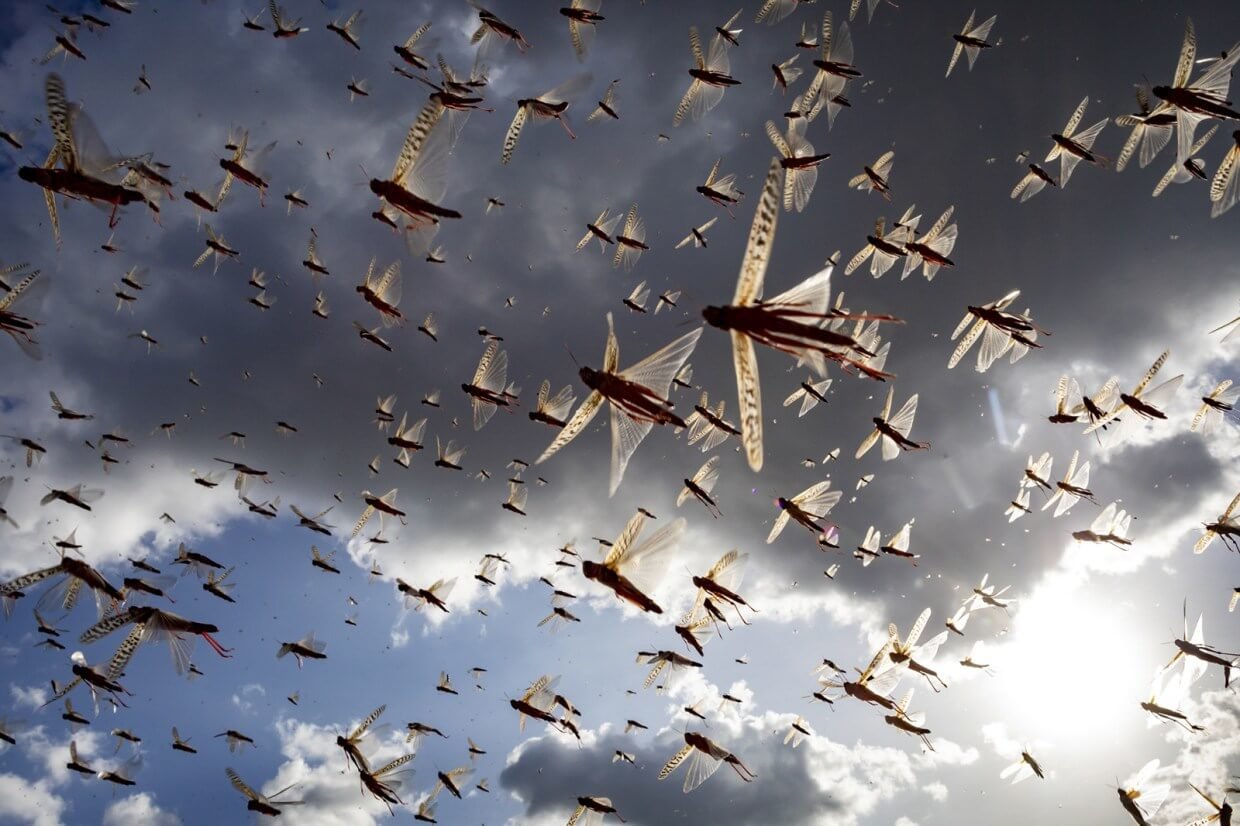
The Old Testament is filled with stories of resilience, faith, and the relentless hope that God will bring restoration. Among these is the tale of a farmer who faced the unthinkable: every season, he planted his crops with hope, only to watch locusts devour them time and again. Yet, he kept planting, kept trusting, and kept believing that God would one day bless his efforts. This story, though often overlooked, offers powerful lessons about perseverance, hope, and faith in the face of relentless adversity.
The story of the locusts comes from the book of Joel, where the prophet describes a devastating plague of locusts that ravaged the land of Judah. The locusts weren’t just an agricultural disaster—they were a wake-up call from God, symbolizing the consequences of the people’s disobedience and a reminder of their dependence on Him.
Joel 1:4 paints a vivid picture: “What the locust swarm has left, the great locusts have eaten; what the great locusts have left, the young locusts have eaten; what the young locusts have left, other locusts have eaten.”
It was a relentless cycle of destruction, leaving the land barren and the people in despair. For a farmer, this was more than a temporary setback—it was life-altering. Yet, the story also reveals the resilience of faith and the promise of God’s restoration.
Imagine the farmer standing in his field, holding seeds in his hand, knowing the odds are against him. The locusts have come every year without fail, stripping the land bare. His neighbors might scoff, saying, “Why bother planting? The locusts will just come again.” But the farmer presses on. He digs into the dry, cracked soil, plants his seeds, and prays for a harvest.
This act of planting, despite repeated loss, is an incredible testament to hope. It shows a deep trust in God’s provision, even when the evidence suggests otherwise. The farmer’s actions mirror the call of faith described in Hebrews 11:1: “Now faith is confidence in what we hope for and assurance about what we do not see.”
The farmer couldn’t see the harvest yet, he believed in the God who promised to restore what the locusts had eaten (Joel 2:25). His faith wasn’t just in his own efforts—it was in the character of a faithful and loving God.
The farmer didn’t just sit and wait for God to fix things; he acted in faith. Every seed he planted was a declaration of his belief that God would bring restoration. Similarly, our faith calls us to action, even when circumstances seem bleak.
Hope doesn’t ignore reality, and the farmer isn’t naive. He knew the locusts might come again, yet he chose to hope. Biblical hope isn’t blind optimism; it’s a confident expectation rooted in God’s promises. It’s choosing to believe that God is greater than the circumstances we face.
The locusts came season after season, but the farmer’s perseverance eventually paid off. In Joel 2:23, God promises, “Be glad, people of Zion, rejoice in the Lord your God, for he has given you the autumn rains because he is faithful.” The rains came at the right time, and the barren fields were transformed into a place of abundance. God’s timing often doesn’t align with ours, but it is always perfect.
Restoration is God’s specialty, and one of the most powerful promises in the Bible is found in Joel 2:25: “I will repay you for the years the locusts have eaten.” God doesn’t just replace what was lost—He restores it in ways that exceed our expectations. The farmer’s perseverance wasn’t wasted; it testified to God’s faithfulness.
We all face seasons where it feels like “locusts” have devoured our efforts—whether it’s financial struggles, broken relationships, health issues, or dreams that seem perpetually out of reach. It’s easy to grow discouraged and give up. But the story of the farmer reminds us to keep planting, keep hoping, and keep trusting in God’s promises.
Ask yourself:
What seeds of faith is God calling you to plant today, despite the past?
What “locusts” in your life make it hard to trust that restoration is possible?
Take heart in the truth that God sees your efforts, your pain, and your perseverance. Even when the locusts seem relentless, His promise of restoration remains. Keep planting those seeds of prayer, kindness, obedience, and faith. Trust that God is working, even when you can’t see it.
Just as the farmer saw his fields restored and his hope fulfilled, we, too, can trust in God’s faithfulness. He specializes in taking what’s broken and making it whole, turning loss into abundance and sorrow into joy. So, whatever your locusts may be, don’t give up. Keep planting, keep hoping, and keep trusting. The harvest is coming.
As Joel 2:26 declares: “You will have plenty to eat until you are full, and you will praise the name of the Lord your God, who has worked wonders for you.” The God who restored the farmer’s fields is the same God who promises to restore your life. Trust Him, and watch as He brings beauty from the barren places. I hope this speaks to you, and I pray you have a blessed day!

 Life-Giving Words of Hope & Encouragement
Leave a comment