While separated by centuries and cultural contexts, the biblical narratives of Hagar and the Samaritan woman at the well serve as profound testimonies to God’s awareness of human suffering and the transformative power of divine encounters. Hagar, an Egyptian slave, experiences the God who sees her pain and despair in Genesis 16, while the Samaritan woman encounters Jesus, who reveals himself as the Messiah in John 4. Both stories illuminate themes of identity, grace, and redemption, demonstrating how God seeks out the marginalized and offers them hope and purpose.
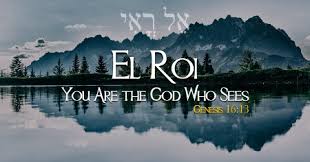
Hagar’s story unfolds in a context of deep personal struggle. She is a slave to Sarah, Abraham’s wife, who, in her desperation to have children, gives Hagar to Abraham to bear a child. This arrangement leads to tensions and ultimately to Hagar’s mistreatment by Sarah, causing her to flee into the wilderness. In her isolation, Hagar encounters the angel of the Lord at a spring in the desert. In this encounter, God reveals himself as El Roi, meaning “the God who sees.” This is the first name attributed to God in Scripture.
When the angel addresses Hagar, he asks, “Hagar, servant of Sarai, where have you come from, and where are you going?” (Genesis 16:8). This question is significant because it acknowledges her suffering and invites her to articulate her pain. Hagar’s response reveals her despair, yet it is met with compassion. The angel not only sees her current plight but also offers her a promise of future significance: her son, Ishmael, would also become a great nation.
In this moment, Hagar realizes she is not invisible; God sees her struggles and hears her cries. She responds by naming God El Roi, affirming her newfound understanding of God’s attentive presence. Hagar’s encounter is transformative—she leaves with a renewed sense of purpose and a profound realization of God’s love and care for her. This powerful revelation speaks to the nature of God as one who sees our struggles and meets us in our pain.
Similarly, the encounter between Jesus and the Samaritan woman at the well has cultural significance and personal transformation. Jesus, a Jewish man, breaks societal norms by speaking to a Samaritan woman, highlighting His mission to reach those marginalized by society. The woman comes to the well at midday and alone, which suggests she was ostracized due to her past. When Jesus asks her for a drink, He initiates a dialogue transcending cultural boundaries.
As their conversation unfolds, Jesus offers her “living water,” a metaphor for spiritual fulfillment and eternal life. When the woman expresses her desire for this water, Jesus gently confronts her past, asking her to call her husband. Her admission that she has no husband leads Jesus to reveal His knowledge of her life—she has had five husbands and is currently living with a man who is not her husband. This revelation mirrors Hagar’s encounter with God; both women are confronted with their realities, yet they receive grace and understanding rather than condemnation.
The climax of this encounter occurs in John 4:26, when Jesus declares, “I who speak to you am He,” openly identifying Himself, for the first time, as the Messiah. This revelation is groundbreaking, mainly because it occurs in the presence of a Samaritan woman, symbolizing the inclusivity of Jesus’ mission. Once defined by her past, the woman at the well becomes an evangelist, proclaiming her encounter with Jesus to her community and leading many to faith. I believe she paved the way for Phillip and the revival that occurred in Samaria after the persecution of Christians in Jerusalem.
Both narratives reveal God’s heart for the marginalized and oppressed. Hagar’s designation of God as El Roi highlights His awareness of individual suffering and His readiness to respond to the cries of the overlooked. Similarly, Jesus’ revelation of Himself as the Messiah to the Samaritan woman emphasizes his desire to reach out to those considered outsiders. Both encounters underscore the theme of divine awareness: God sees us in our pain and seeks to transform our lives.
Another fundamental similarity is the transformative power of these encounters. Hagar’s experience with El Roi shifts her identity from a nameless slave to a woman who bears the promise of a great nation. She is empowered to return to her circumstances with renewed hope and purpose. Likewise, the Samaritan woman’s encounter with Jesus transforms her from a woman shunned by her community into a powerful witness of Christ. Her testimony leads many Samaritans to believe in Jesus, showcasing the ripple effect of a life changed by divine encounter.
Both stories highlight the inclusive nature of God’s love. Hagar, a foreign slave, is not excluded from God’s promises; instead, she is seen and valued. Her story affirms that God’s care extends beyond cultural boundaries. The Samaritan woman, also marginalized because of her gender and past choices, is embraced by the promise of salvation. Jesus’ readiness to connect with her highlights a profound inclusivity as He defies societal expectations to extend grace and truth.
We serve the God Who Sees and Redeems. Hagar’s encounter with El Roi and the Samaritan woman’s encounter with Jesus illustrates the unchanging nature of God’s love and compassion. In both instances, we see a God who sees the plight of the marginalized and actively seeks to reveal His character and purpose to them.
Hagar’s declaration of El Roi is a powerful reminder of God’s attentive presence, while the Samaritan woman’s transformation into an evangelist underscores the radical nature of Jesus’ message. Together, these narratives invite us to reflect on our encounters with God and encourage us to see and uplift those around us who may feel overlooked or marginalized. Ultimately, they reveal a God who sees, cares, and redeems, offering hope and purpose to all who seek Him. I hope this speaks to you, and I pray you have a blessed day!

 Life-Giving Words of Hope & Encouragement
Leave a comment