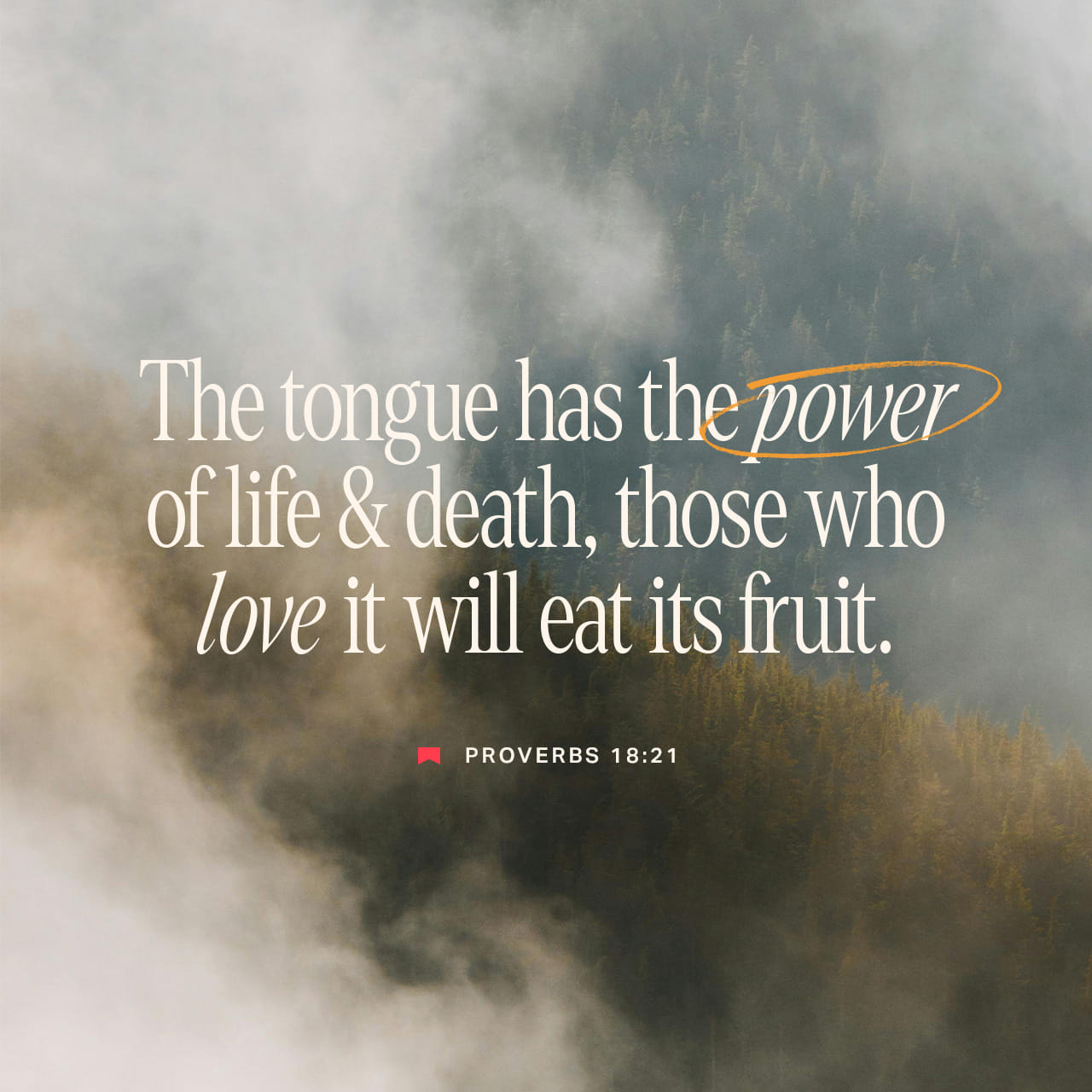
“The tongue has the power of life and death.” Proverbs 18:21 Our words can build up or tear down, and most people who feel stuck in life struggle to control their words. They often say hurtful things and don’t realize their speech limits their growth. In Ephesians 4, Paul advises us to avoid unwholesome speech and instead use words that build others up. Before speaking, ask yourself: Will this benefit someone? Will it uplift them or bring them down? Is this comment improving my spouse’s self-esteem or merely boosting my ego? Is this discourse meant to divide or come together?
For some, their words are the main barrier to healthy relationships and career advancement. They might have talent but can’t control their tongue. Sarcasm can create conflict, and not every emotion needs to be expressed. True discipline requires us to be quick to listen and slow to speak. We don’t need to win every argument or correct everyone, even when we’re right.
We have two ears and one mouth for a reason: to listen more than we speak. Hurtful comments take only seconds to say but leave lasting pain. Apologies matter, but they don’t erase the scars. It’s better to restrain your tongue and choose your words carefully to preserve relationships.
You’ve heard the phrase, “Sticks and stones may break my bones, but words can never hurt me.” This is not true. Words can wound deeply, making people feel inferior and limiting their potential. Some adults carry scars from phrases like, “You can’t do anything right” or “You’re not smart,” spoken by parents or spouses. David prayed in Psalm 64, “God, protect me from sharp tongues.” Are your words uplifting or damaging? Are you encouraging others or leaving them wounded?
People often heal from physical wounds faster than emotional ones. Parents must speak life, faith, and encouragement to their children. Correct them kindly, avoiding hurtful words that damage their self-image. They are made in God’s image and deserve our love and care. They already face enough challenges. We should be parents who uplift and direct them toward their dreams and destiny.
Taming the tongue starts at home. Husbands, treat your wives with respect; hurtful words harm both of you. Your prayers may go unanswered if you mistreat her, which hinders your goals. Studies show that many women fall into depression due to a lack of their husbands’ blessings and appreciation. Yet, some men treat strangers better than their own families, being kind at work but condescending at home.
In Matthew 12:36, Jesus says, “We will be held accountable for every idle word we speak, including negative and hurtful remarks.” God will ask, “What did you do for your spouse at life’s end? Did you help them grow?” Reflect on your words if your spouse hasn’t improved since you met. Speaking blessings like, “You’re beautiful” or “I love you” strengthens your marriage and your partner. Affirming your children with, “I’m proud of you” sows seeds toward their purpose. Consider if your spouse, children, and friends are better off today than five years ago. If not, change is needed. God gave them to you, expecting you to nurture them positively.
Scripture says a wife reflects her husband’s glory. If she’s not shining due to your harshness, it also reflects poorly on you. Sadly, some will face God having caused wounds in loved ones through their words. Instead, let your words bless and uplift. Recognize disagreements are normal, but avoid hurtful remarks during conflicts. When discussing sensitive issues with your spouse, stay calm and avoid conflict.
Love allows for weaknesses and overlooks wrongs. Rise above minor grievances and don’t retaliate when faced with rudeness; be like an eagle and soar higher. Life is too short for petty arguments. Some insist on the last word, arguing for days; it’s unproductive. Let it go. Focus on your destiny, and don’t let distractions derail you. Prolonged arguments can lead to regret and damage relationships. Learn to walk away; nothing positive comes from disrespectful exchanges.
Let them have the last word; keep your peace and joy. The strongest person humbles themselves and walks away. Scripture teaches overcoming evil with good—never with disrespect or insults. Taking the high road means being respectful and avoiding conflict. Proverbs 20:2 says avoiding fights is honorable, not winning them.
When David was young, he brought lunch to his brothers in the army, and his oldest brother, Eliab, tried to provoke him. Some people seek to bait you into conflict out of jealousy. Don’t take the bait. David could have lashed out but chose not to. He understood the principle of staying silent and walking away. His character aligned with his anointing, and character development is vital to fulfilling your destiny. By following David’s example of avoiding conflict and honoring God, you position yourself for promotion.
In Psalm 141, David asked God to control his words: “Keep my lips sealed.” Rather than seeking revenge, he sought help to maintain his composure. This is a powerful prayer. Each morning, say, “God, help me not to speak disrespectfully or condescendingly. Lord, help me keep my lips sealed.”
Feeding the flesh and saying whatever you want keeps you from maturity. You are an heir to God’s incredible inheritance—joy, peace, and abundance—but if you remain immature, that inheritance won’t manifest. Taming the tongue is essential for growth. Sometimes, it’s not the big issues that hinder us but the small ones: avoiding arguments and sarcasm. God doesn’t require grand sacrifices; He asks us to use our words to bless and uplift others instead of tearing them down.
The Israelites failed to enter the Promised Land due to complaints and criticism towards Moses during their journey. They wandered for 40 years instead of making the 11-day journey because of their negative words. If you can’t say something helpful, it’s better to stay silent because it can negatively affect you and others. God tests us, and using harsh words often leads to repeated tests. Instead of circling the same problem for years, take a moment to pause and seek God’s help to gain control over your actions speech.
Miriam disrespected Moses for his choice of spouse and was struck with leprosy for her harmful words. God hears our comments, both good and bad. We will experience the consequences of our words, so speak kindness and encouragement to reap similar treatment from others. By comparing the tongue to a fire, James emphasizes the power of the tongue to cause evil.
Our words have the power to uplift people and revitalize their spirits. Be a healer, encourager, and supporter. When you feel tempted to be condescending, sarcastic, or argumentative—something we all face—exercise the discipline to remain silent. Put down that sword. Avoid going through life wounding others with hurtful words. Instead, focus on building people up with encouragement. By doing this, you will enjoy life more. You will cultivate better relationships, receive blessings, and become everything God created you to be. I hope this speaks to you, and I pray you have a blessed day!

 Life-Giving Words of Hope & Encouragement
Leave a comment